

The biological intelligence behind FoodSomes®
Our patented biotech platform integrates technologies for the isolation, functionalisation and application of natural exosomes to develop innovative solutions in advanced dermocosmetics and premium cosmetics.
- Patents
International Patent
WO2024153847 – Process for Obtaining Exosomes from Buttermilk, Exosomes Obtained and Applications Thereof.
International patent protecting an innovative technology for obtaining high-purity exosomes from buttermilk, intended for the development of advanced solutions in dermocosmetics and premium cosmetics.
Patent in Preparation
Plant Exosomes for Cosmetics: New Loading and Functionalisation Methods and Specific Cosmetic Applications.
Next-generation technology based on plant exosomes and advanced active-ingredient loading and release systems, designed to maximise the efficacy, stability and biological precision of next-generation cosmetic formulations.
- Scientific publications
Our research is backed by scientific publications in international journals on exosomes, extracellular vesicles, bioactive compounds and their applications in regenerative medicine, drug delivery and dermocosmetics.
Bovine Milk-Derived Exosomes as a Drug Delivery Vehicle for miRNA-Based Therapy
International Journal of Molecular Sciences (2021)
Milk and cheesemaking whey as a sustainable source of extracellular vesicles: Exploring large-scale isolation methods with industrial and potential therapeutic applications
Pharmacological Research (2025)
Milk-Derived Exosomes as Nanocarriers to Deliver Curcumin and Resveratrol in Breast Tissue and Enhance Their Anticancer Activity
International Journal of Molecular Sciences (2022)
Therapeutic potential of plant-derived extracellular vesicles as nanocarriers for exogenous miRNAs
Pharmacological Research (2024)
- Funding Initiatives and Innovation Projects
FoodSomes® is accelerating the development and commercialisation of its exosome-based technology platform through European, national and regional innovation programmes.
- Support
The company has received support from the DeepTech Programme of the Madri+d Foundation for Knowledge (Community of Madrid) and is pursuing new funding initiatives through programmes such as NEOTEC (CDTI), ENISA, the Industrial Doctorates Programme, the Torres Quevedo Programme and other calls aimed at DeepTech and biotech companies.

- Ongoing collaborations
FoodSomes® is developing strategic collaborations with the Autonomous University of Madrid (UAM) and the IMDEA Food Institute to advance exosome research, technology transfer and the development of innovative solutions for advanced dermocosmetics and premium cosmetics.

- FoodSomes® Platform
Nanobiotechnology based on dairy exosomes
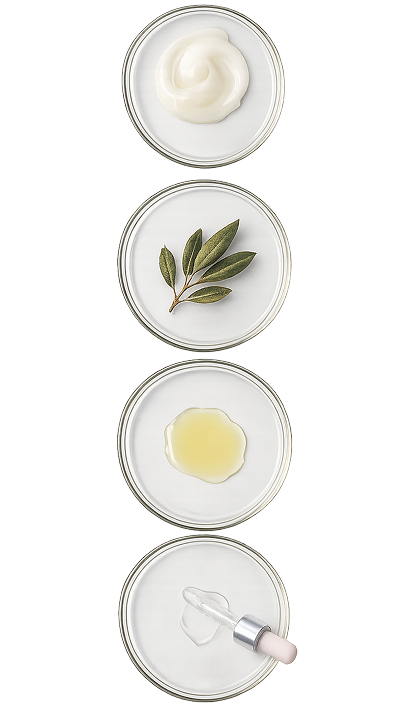
What are exosomes?
Exosomes are natural vesicles (30–150 nm) that act as biological messengers, carrying lipids, proteins and bioactive signals between cells to support cell communication and natural regeneration processes.
Why do they matter?
✔ Efficient cell communication
✔ Targeted delivery of bioactive compounds
✔ High natural biocompatibility
✔ Ability to cross biological barriers
FoodSomes® technology
At FoodSomes® we use natural exosomes derived from buttermilk as a biotech platform to interact with skin biology and enhance the efficacy of dermocosmetic ingredients.
Advantages of natural dairy-derived exosomes
| Differentiating advantage | Strategic value |
|---|---|
| Food origin (GRAS) | High biocompatibility and lower regulatory complexity compared with stem cell-derived exosomes. |
| Sustainability | Upcycling of dairy by-products through a circular economy model. |
| Scalability and competitive cost | Production based on an abundant raw material available at large scale. |
| Unique functional profile | Rich in bioactive polar lipids (sphingomyelins and phospholipids) that contribute to hydration and to strengthening the skin barrier. |
Advantages of natural dairy-derived exosomes
| Differentiating advantage | Strategic value |
|---|---|
| Advanced protection | The exosome protects the bioactive (from light, heat and oxygen) until it is released into the skin. |
| High bioavailability | Efficient fusion with cell membranes and intracellular release. |
| Synergistic efficacy | The exosome’s own activity (hydration, regeneration) + the encapsulated bioactive. |
| Natural and safe origin | Sourced from food (clean beauty). |
| Customisable platform | Adaptable to pro-ageing, depigmenting, repairing and advanced protection formulations. |
Why encapsulate bioactives in food-derived exosomes?
| Biological function | Skin benefit |
|---|---|
| Smart nanotransport | They encapsulate antioxidants (such as hydroxytyrosol), peptides and vitamins, protecting them from degradation and improving their penetration and bioavailability in the skin. |
| Regeneration and pro-ageing | They stimulate fibroblasts and cell renewal, improving firmness, elasticity and overall skin quality. |
| Anti-inflammatory action | They reduce irritation and redness, making them especially useful for sensitive skin or after aesthetic procedures. |
| Advanced photoprotection | In studies on human skin, they help maintain biological markers comparable to those of skin not exposed to radiation. |
Main applications
- Sensitive and reactive skin.
- Dermatitis and inflamed skin.
- Pro-ageing strategies.
- Skin repair and regeneration.
- Protection against the exposome (UV, pollution and blue light).
What do exosomes do in the skin?
| Biological function | Skin benefit |
|---|---|
| Smart nanotransport | They encapsulate antioxidants (such as hydroxytyrosol), peptides and vitamins, protecting them from degradation and improving their penetration and bioavailability in the skin. |
| Regeneration and skin longevity | They stimulate fibroblasts and cell renewal, improving firmness, elasticity and skin quality. |
| Anti-inflammatory action | They reduce irritation and redness, making them especially useful for sensitive skin or after aesthetic procedures. |
| Advanced photoprotection | In studies on human skin, they help maintain biological markers comparable to those of skin not exposed to radiation. |
Main applications
- Sensitive and reactive skin.
- Dermatitis and inflamed skin.
- Pro-ageing strategies aimed at preserving biological health, functionality and longevity.
- Skin repair and regeneration.
- Protection against the exposome (UV, pollution and blue light).
Exosome mechanism of action (scientific basis)
| Biological action | Skin benefit |
|---|---|
| Modulation of the immune system and reduction of inflammaging | Less inflammation associated with skin ageing. |
| Activation of fibroblasts, keratinocytes and endothelial cells | Supports skin regeneration and repair. |
| Stimulation of collagen and elastin synthesis | Improves skin firmness and elasticity. |
| Promotion of angiogenesis and epidermal renewal | Increases skin oxygenation and regeneration. |
| Restoration of skin homeostasis | Maintains skin balance and health. |
Hydroxytyrosol: featured bioactive
| Property | Benefit |
|---|---|
| Powerful natural antioxidant derived from olive oil | Neutralises reactive oxygen species (ROS) and protects against oxidative stress. |
| Protective and anti-inflammatory action | Preserves fibroblasts and the dermal matrix, contributing to healthier skin. |
| Defence against the exposome | Helps protect the skin against UV radiation, pollution and blue light. |
Main applications
- Pro-ageing effect.
- Repairing and regenerating action.
- Anti-inflammatory activity.
- Protection against photoageing and environmental factors.
- Effects demonstrated in studies on human skin.
FoodSomes® evidence
We have measured the efficacy of our exosomes on human skin at an independent laboratory, and we characterise every batch in our own laboratory.
| Indicator | Result | Assay |
|---|---|---|
| Efficacy on human skin · FoodSomes® ACTIVE at 0.01 % | ||
| Inflammation (IL‑6) | −62 to −64 % vs inflamed skin, down to healthy-skin levels | Human skin explants exposed to simulated sunlight, 48–96 h. GAIKER, 2025 |
| Inflammation (IL‑8) | Significant reduction | Same assay, 48–96 h |
| Hydroxytyrosol without exosome | No effect at the same concentration | Same assay |
| Tolerance | No toxicity; higher tissue metabolic activity at 96 h | Same assay (LDH and resazurin) |
| Characterisation · FoodSomes® buttermilk exosomes | ||
| Concentration | 5.97 × 10¹² particles/mL | FoodSomes® internal data, 2026 |
| Purity | 3.20 × 10⁹ particles/µg of protein | FoodSomes® internal data, 2026 |
| Antioxidant capacity (ORAC) | ≈560 µmol Trolox eq./g, about 3.7 times that of milk exosomes | FoodSomes® internal data, 2026 |
Assay on explants from one donor with 4 replicates, all results with p<0.05. These data will be extended in the 2027–2028 PoC.